
Design basis
Define gas flow and composition, H₂S load, pressure, temperature, hydrocarbon and BTEX carry-over, required treated-gas specification, allowable oxygen ingress and sulfur-product handling route.
Sulfur & Environmental · ENGINEERED SCOPE
Biological desulfurization is engineered around the approved gas composition, H₂S load, treated-gas target, oxygen balance, water chemistry and sulfur-handling route. Delham defines, manufactures and supplies the treatment package to the verified project basis; operating limits are established from approved process data and applicable requirements.
Engineering approach
A technically defined package begins with the operating envelope—not a catalogue model.
Rated capacity, minimum stable load, feed envelope, inlet and outlet conditions, product specification, start-up and shutdown cases, design life and acceptance criteria are agreed before equipment definition is frozen. The review also records utility margins, interfaces, inspection hold points, maintainability constraints and the evidence required for a controlled handover.
Define gas flow and composition, H₂S load, pressure, temperature, hydrocarbon and BTEX carry-over, required treated-gas specification, allowable oxygen ingress and sulfur-product handling route.
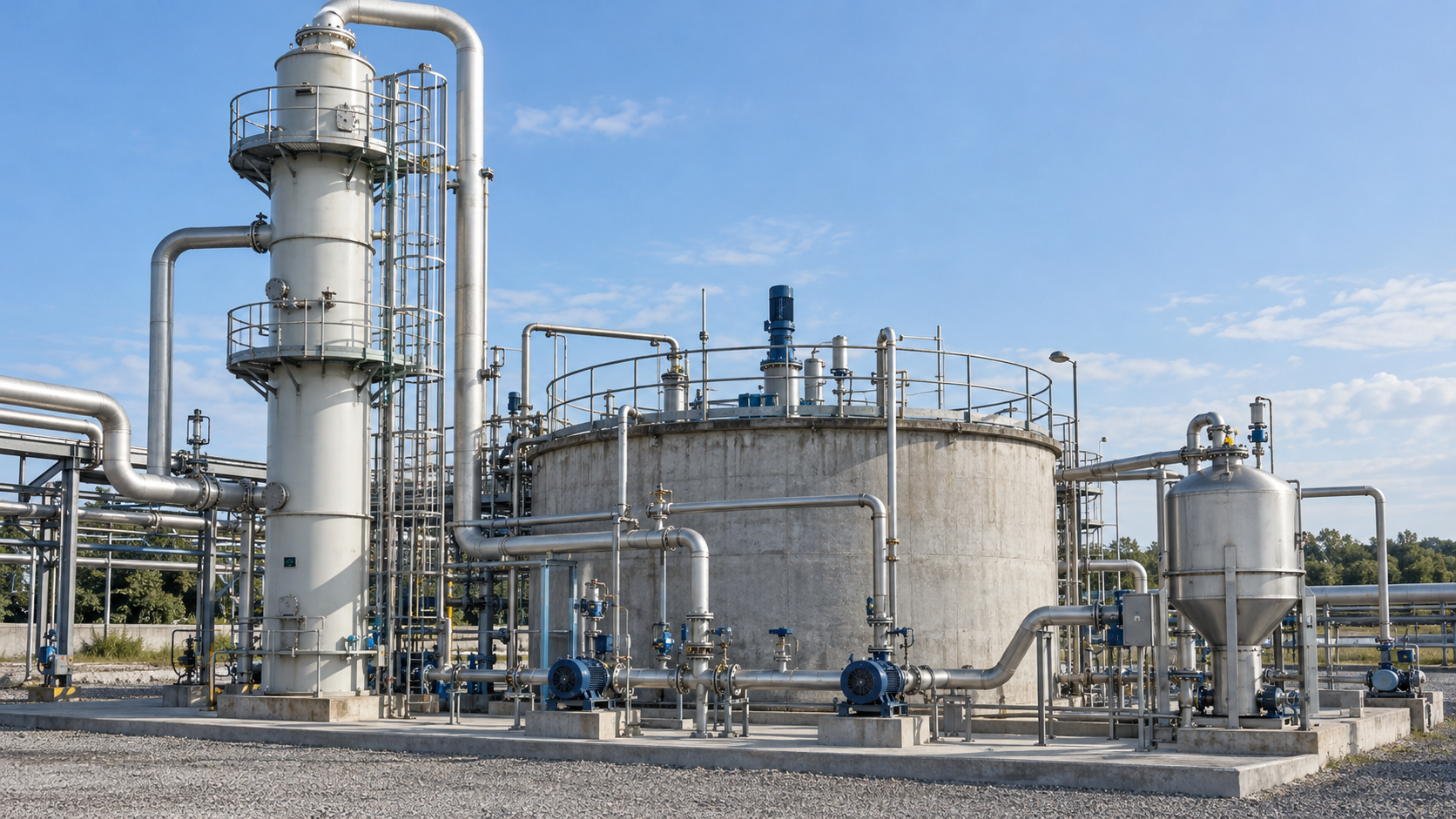
A typical configuration includes an alkaline absorber, solution circulation, a controlled bioreactor, air or oxygen dosing, nutrient and pH control, sulfur separation and bleed-water management. Delham finalizes the package arrangement, interfaces and operating limits from approved process data and site constraints.
Engineering review covers absorber mass transfer, biological loading, oxygen balance, foaming, corrosion, sulfur settling and filtration, off-gas safety, biomass stability and start-up or upset recovery.
PROJECT DEFINITION · DELIVERY
Technical proposal quality depends on verified process data, acceptance criteria and interface definition. The following information is confirmed during clarification.
RFQ
Share the operating cases, feed data and required guarantee so the applicable process route, package boundary and verification plan can be defined.